


How the Döner Became a Berlin Cult Classic: A Culinary Success Story

Quick to grab, available late into the evening, and now offered in more varieties than just meat, salad, and sauce might suggest—Berlin and the döner simply belong together. Whether classic, with grilled vegetables, halloumi, or completely meat-free—this fast-food dish has become a staple of Berlin’s food culture.
A döner, please! You don’t need a fancy restaurant for food to tell you something about a city. Sometimes a few tables on the sidewalk are enough. A few tables on the sidewalk, the door is open, and the spit is turning behind the window. People are debating in front of it: spicy or not, garlic or herbs, or “with everything”?
The döner didn’t come from Berlin—but the version we know did
Of course, meat from a rotating spit had been a part of Turkish cuisine long before Kreuzberg, Neukölln, and Bahnhof Zoo. Nevertheless, the history of the döner served in flatbread leads quite directly to Berlin.
And the legend goes like this: In 1972, Kadir Nurman sold meat in bread at Bahnhof Zoo, thereby laying the foundation for the version that is so well-known in Germany today. To this day, the question of who invented it remains unclear. Berlin.de also tells the story with this slight caveat—and now lists around 1,600 döner shops in the capital alone.
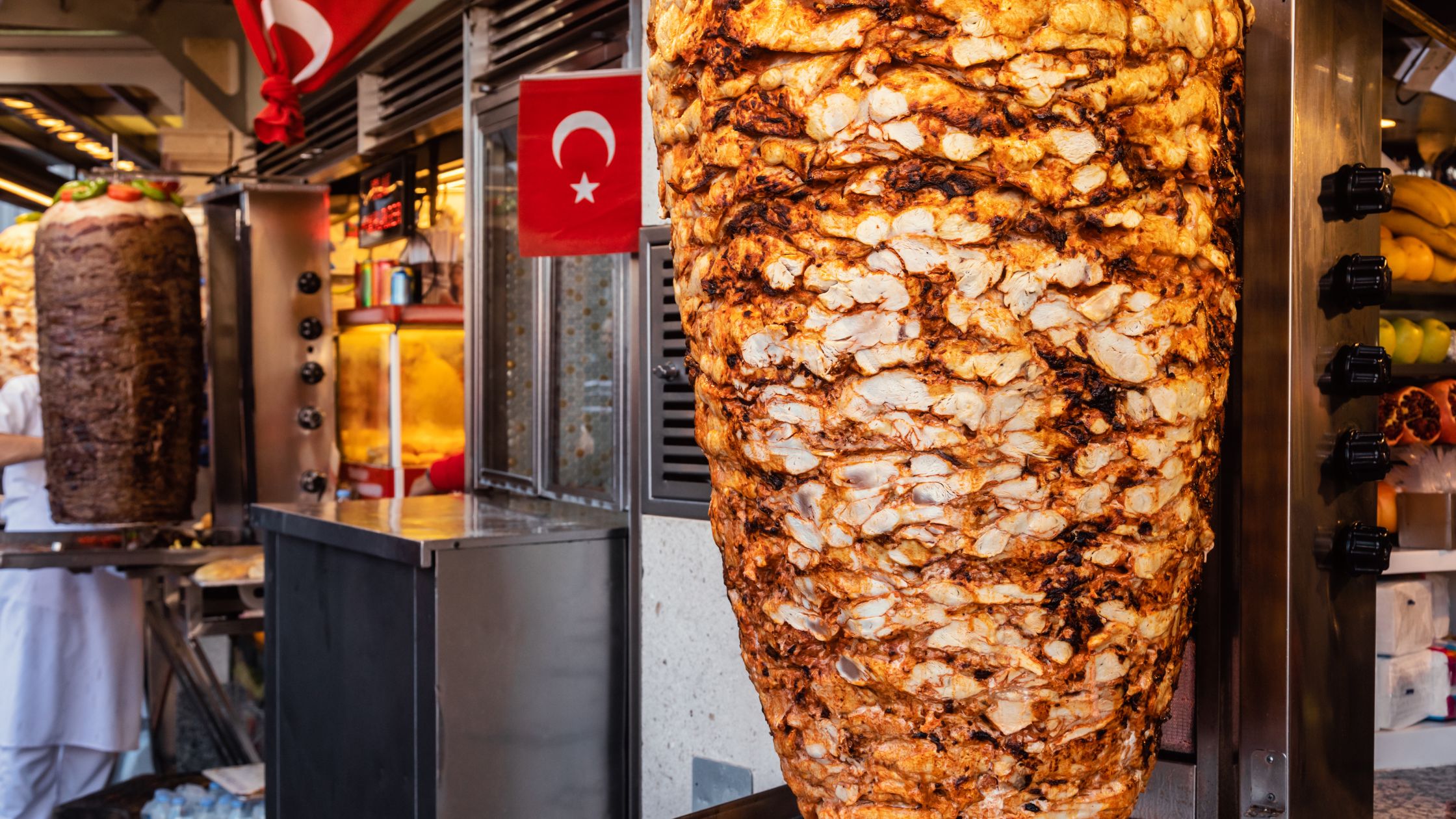
Over the years, the dish has evolved far beyond just meat and bread. Lettuce was added, along with tomatoes, onions, red cabbage, and, of course, sauces. Then came chicken, grilled vegetables, cheese, and new combinations. The döner has remained surprisingly simple, and perhaps that is its greatest advantage.
Between my favorite spot and the eternal question of the best sauce
People in Berlin can talk about döner for a surprisingly long time. The bread can be crispy on the outside, but please don’t let it fall apart on the first bite. Opinions on the meat are divided anyway. And what about the sauce? Every neighborhood could probably hold its own little vote on that.
Just two streets away, the döner can look completely different. Sometimes the bread is thinner, sometimes there’s significantly more lettuce, and sometimes they don’t skimp on the sauce. These small differences eventually turn a simple snack into something quite personal. That’s why many Berliners have their go-to spot—and are reluctant to switch.
One shop specializes in thinly sliced veal, while the next focuses on chicken and roasted vegetables. Elsewhere, you’ll find halloumi, falafel, or a plant-based alternative sandwiched in the bread. Even the classic döner has long since branched out into a whole family of variations.
And then came the veggie diner
Berlin probably wouldn’t be Berlin if a well-known dish were allowed to stay exactly as it once was.
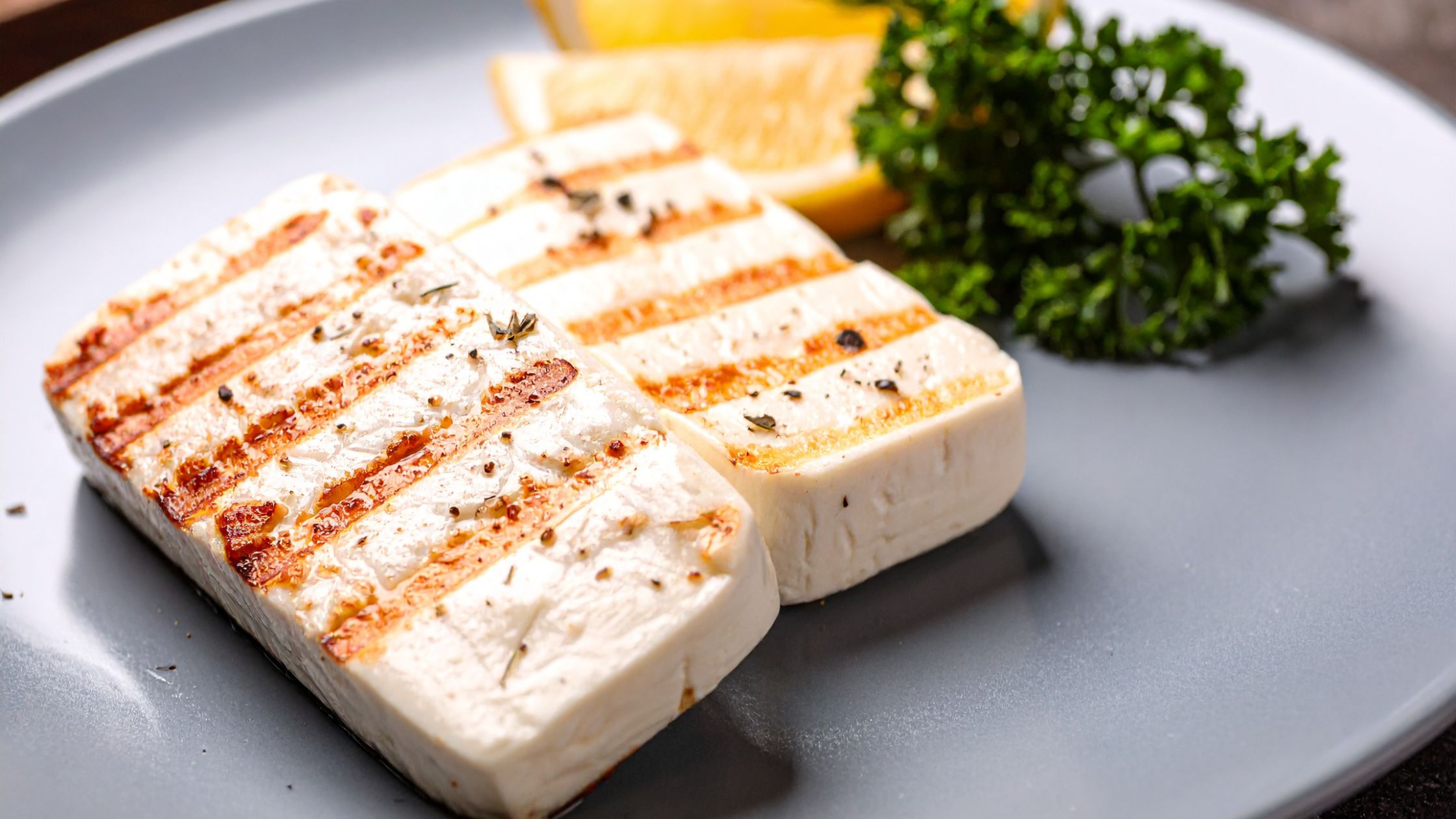
Vegetable kebabs with chicken, roasted bell peppers, potatoes, or cheese have become just as much a part of the cityscape. Alongside them are meatless options featuring falafel, halloumi, or plant-based skewers. Some of them seem like pretty wild ideas at first, but then you take a bite anyway.
These days, you can even get a döner without having to make your way to the nearest stand
A diner to go, wrapped in paper, taking the first bites somewhere between the snack bar and the subway. That’s the classic image, but it doesn’t always fit with today’s lifestyle.
Rain, a late night at work, friends coming over, or simply not feeling like driving halfway across town again—in those cases, you just have your food delivered. Through platforms like Lieferando, you can now have a döner delivered in Berlin. The app displays various Berlin snack bars and restaurants based on your address and what they offer. This doesn’t mean the döner loses its street-food DNA. It just takes a different route to your dining table.
And the selection is now broad enough that not everyone has to order the same thing. A classic döner for one person, halloumi for another—maybe a döner box on the side. That’s what a Berlin dinner sometimes looks like. The döner fits right in with a city where meals rarely need to be planned far in advance. At lunchtime between two appointments, at night after a night out, or in the evening on the couch—there’s always a reason to enjoy one.
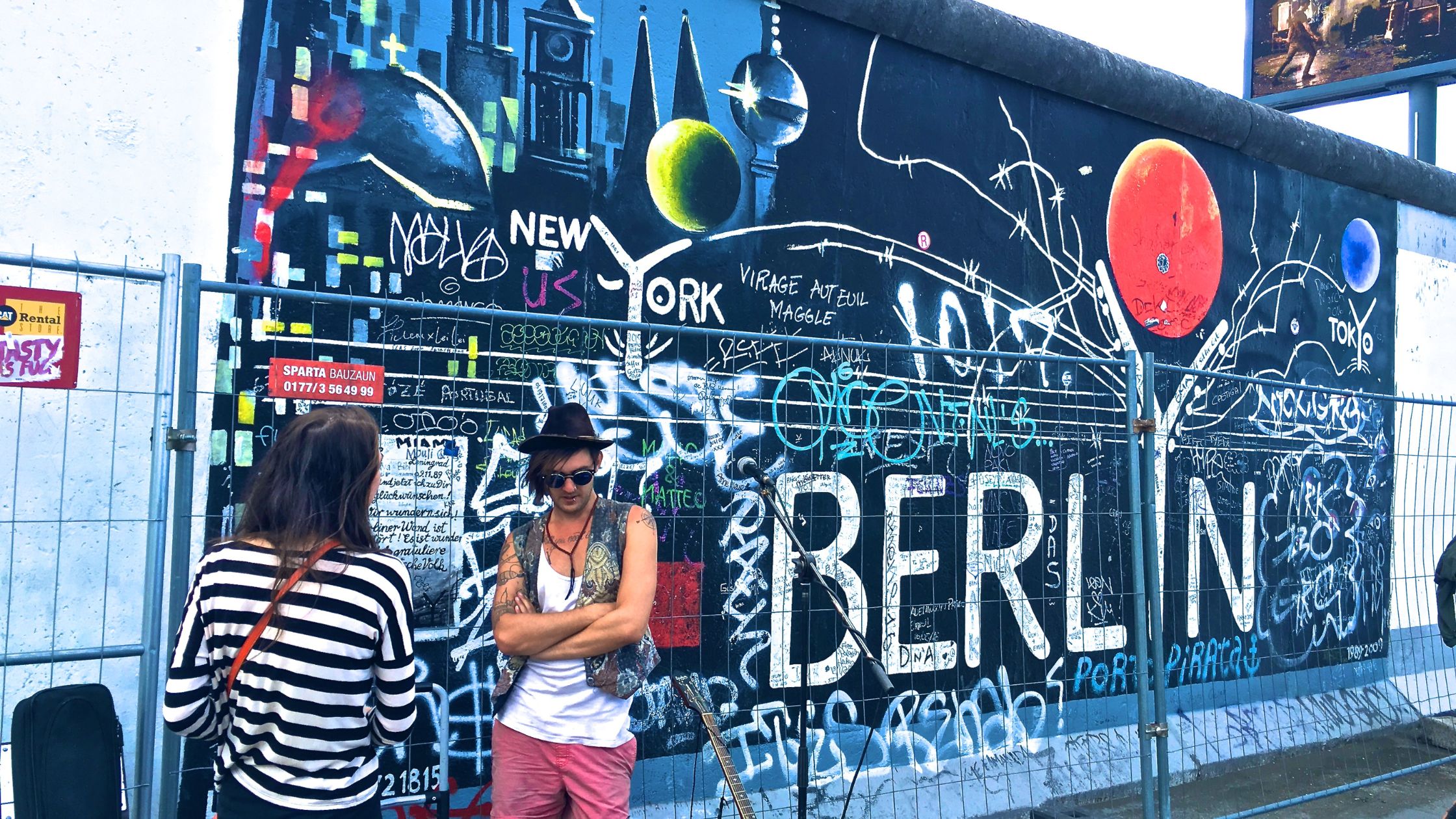
Cuisine isn’t just about Michelin-starred restaurants and multi-course meals
The culinary traditions of Austria and Asia in the Salzburg region, for example, demonstrate just how differently regional cuisine and international influences can come together. With the Berlin-style döner, this blend takes place on an entirely different level, but the basic idea is similar: different influences come together, and eventually something unique emerges.
In the case of the döner, this includes Turkish roots, the history of immigration, and a city that likes its food fast and uncomplicated. The dish has evolved time and again. Dürüm, döner boxes, vegetable döner, or vegan versions would have been quite unusual a few decades ago. Today, no one bats an eye at ordering halloumi in a bun. Berlin changes food just as much as food changes Berlin.
Some things should just stay the same
New restaurants open, while others disappear after just a year. Food trends come and go, get photographed, pop up everywhere in our feeds—and eventually fade away.
The döner is still there. Maybe with a new sauce. Maybe vegan now. Maybe no longer just on the corner, but half an hour later right at your doorstep.
The basic idea has stayed the same: bread, filling, sauce, and something that fills you up. Sometimes that’s all Berlin needs.

CultureAndCream Author from Munich
To travel during my profession as a beauty journalist was never enough for my. Also my six month on a world trip didn’t do it. It always attracts me to other cities, foreign countries, on roadtrips and places I don’t know yet. But I am not only interested in “culture” and “cream”, I am also fascinated by people who have stories to tell . Such unique experiences I want to share with you.