


Patagonia—My Great Love in Argentina

My passion for South America—and especially Argentina—began quite some time ago, when I decided I had to travel alone at least once in my life. What could be more natural than visiting the end of the world? During my first and second trips to Argentina, however, I hesitated to travel all the way to Patagonia, since I usually prefer sunshine and warmth to the cold. But that’s actually the wrong way to think about it: When we travel “south” from Germany in December, we’re wearing winter clothes anyway—so we might as well use them right there.
Patagonia is located at the southern tip of South America and is traversed by the Andes. In terms of area, it spans two countries: about 90 percent lies in Argentina and about 10 percent in Chile. So this time, the end of the world was truly on our itinerary. In total, we had planned six weeks to explore Argentina.
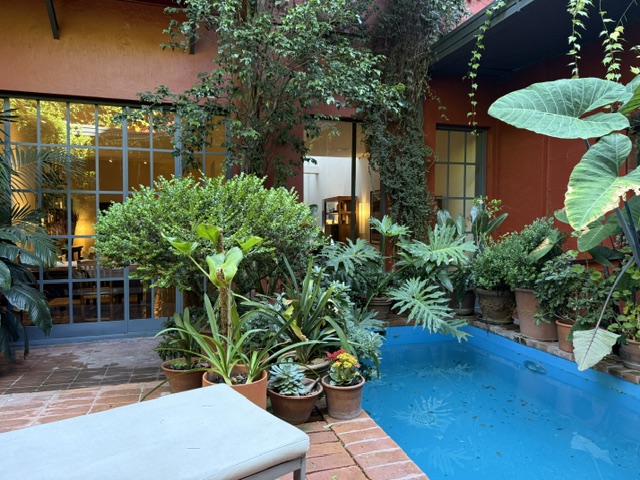
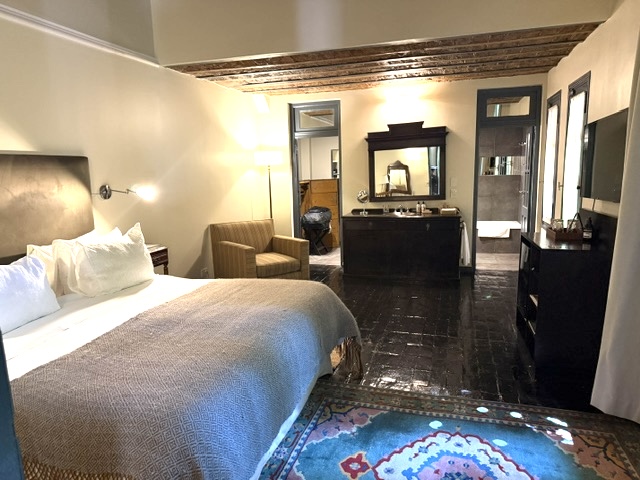
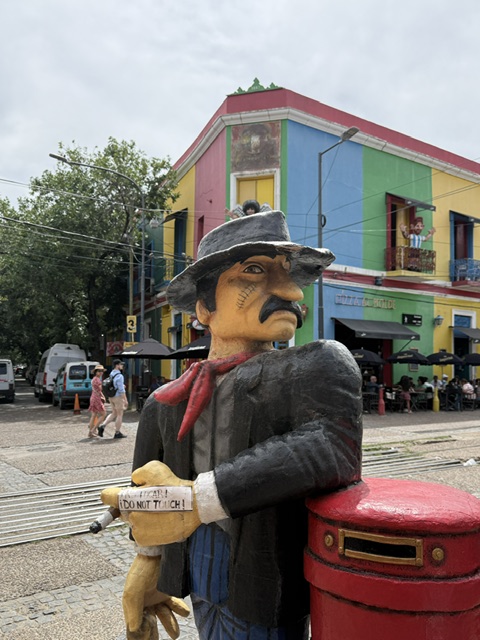
Our trip began in Buenos Aires: three days to settle in. Buenos Aires is rightly called the Paris of South America: a beautiful metropolis—if you look past all the economic and political problems. I had booked a small boutique hotel in advance and found a wonderful oasis right in the heart of the trendiest neighborhood, Palermo, at the Hotel Be Jardin Escondido by Coppola. I can highly recommend it. Countless boutiques, restaurants, and bars are within walking distance.
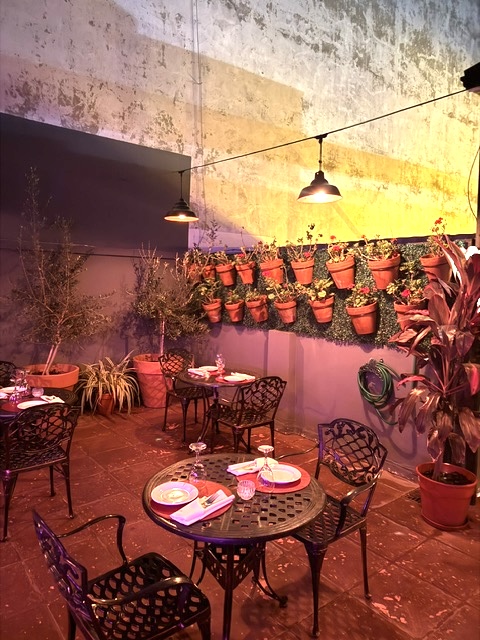
My new favorite restaurant, La Capitana, with its down-to-earth Argentine cuisine, feels like it brings Evita Perón back to life. They serve home-style cooking (a favorite of the Perón family), prepared to a high standard. Music from the ’60s and ’70s plays in the perfect atmosphere. It’s a real experience.

Patagonia—here we come!
Then we finally set off southward on the flight to Ushuaia. Everyone is familiar with the images of the mountains, fjords, and glaciers. Even the flight there gave us a first glimpse of this incredible natural landscape. Ushuaia is located on an island shared by Argentina and Chile, known as Tierra del Fuego, or “Land of Fire.” Incidentally, this has nothing to do with volcanoes. Magellan and his crew (Ferdinand Magellan was a Portuguese explorer) coined the name because there were so many campfires burning along the shore.
Upon arriving in the southernmost city in the world, I was surprised by how Scandinavian the architectural style of the houses was—I could just as easily have been in Finland. The town is quite small and easy to explore on foot. Most tourists use Ushuaia as a starting point for trekking or for continuing their journey to Chile, but above all, during the peak season from November through January, three to four large cruise ships set sail every evening on expeditions to Antarctica.
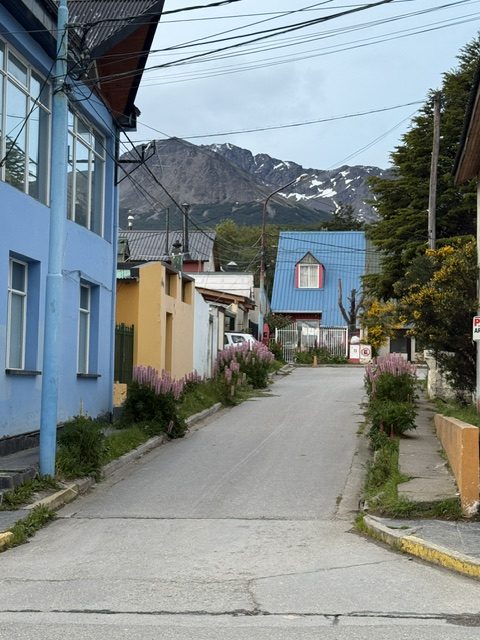


These cruise ship passengers from all over the world arrive by plane from Buenos Aires every hour throughout the day. They often stock up on supplies at the countless outdoor shops along the shopping street Avenida Maipu and are then suddenly gone again. After that, the city is almost sleepy. In the evening, it’s a great time to try the local specialties—either the gigantic king crabs or the famous (and truly unique) lamb asado.
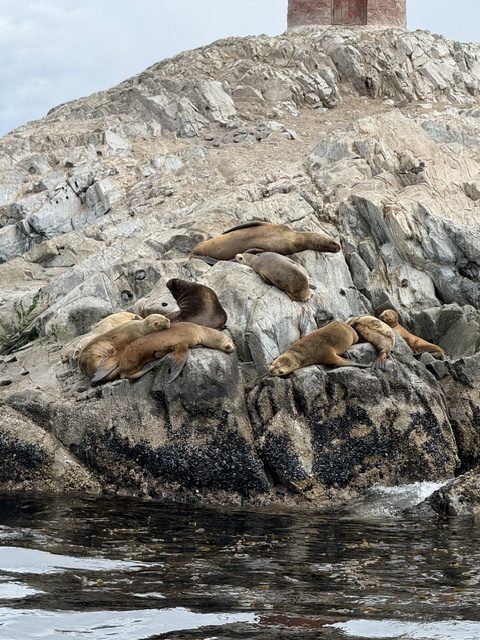
We also took a boat trip to the offshore islands to explore the flora and fauna there. Of course, we couldn’t miss the obligatory photo in front of the southernmost point of South America. Until a few years ago, there were no insects at all in this area due to the cold, dry climate, but now there are occasional swarms of hungry mosquitoes—which even followed us on a hike through the forest.


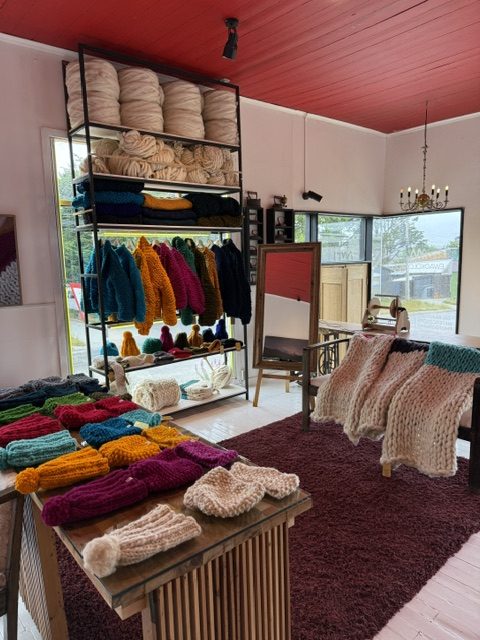
Temperatures in Tierra del Fuego in December were around 6 degrees Celsius during the day, but since there’s always an icy wind blowing in from Antarctica, it feels much colder—even though it’s the height of summer in Argentina. Fortunately, though, you can buy very good, lightweight thermal clothing, and layering is in style anyway. As mentioned earlier, there are various outdoor stores that offer just the right solution for this.
Where the glacier calves
On the third day, we continued on to the “warm north,” to El Calafate, to take a trip to the Perito Moreno Glacier from there. The town really consists of just one main street, where you can find everything your heart desires. It’s a paradise for chocolate lovers—as you’ll find throughout Patagonia—and, of course, there are many kinds of restaurants. There’s now a good selection for vegetarians as well, even though Argentina is, of course, still very “meat-heavy.”

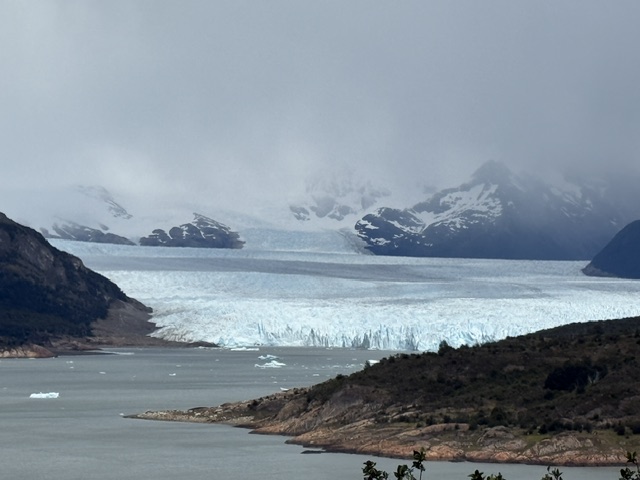
El Calafate was an important trading hub on the trade routes for the Spanish from early on. It lies on a 100-kilometer-long glacial lake that originates from the aforementioned glacier. Our trip there took us by bus into the national park and then by boat to the foot of the glacier. We were lucky (or, given climate change, one might say rather unlucky) to witness the glacier calving firsthand.
Our guide had tears in her eyes as she explained to us just how much the glacier had shrunk in the last twelve months alone. Originally, the Andes mountain range was completely covered by glaciers for a length of more than 1,000 km. Today, only isolated patches remain. This glacial retreat has consequences not only for the climate but for the entire natural world, as many areas now lack water without the glaciers. I’ll come back to that later in Mendoza, though. Still, I’m very glad I had the opportunity to experience these unique glaciers (at sea level!) in their current state.
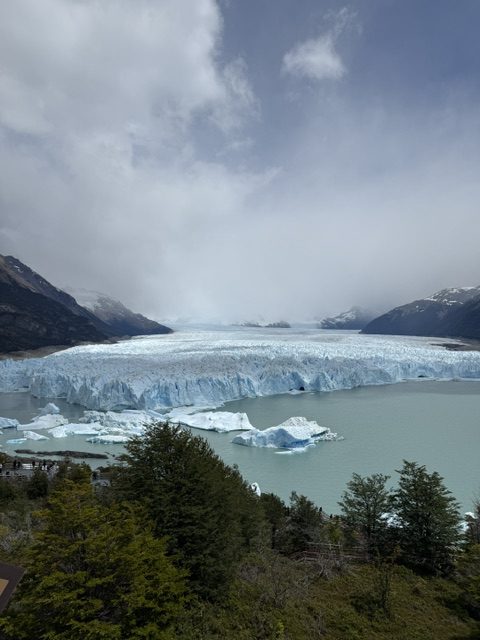

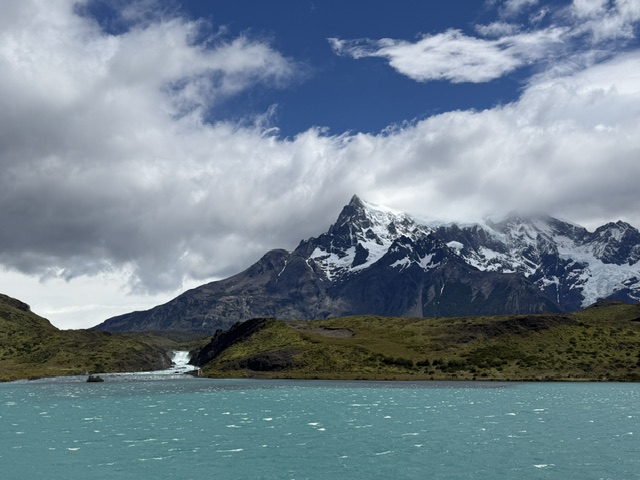
Even in light of climate concerns, driving a car in these regions is unfortunately essential due to the long distances involved. We had rented a car for the next seven days. Given the road conditions, the Hilux was exactly the right choice. We planned to continue on to Chile to explore the Andes in all their beauty in Torre del Paine National Park.
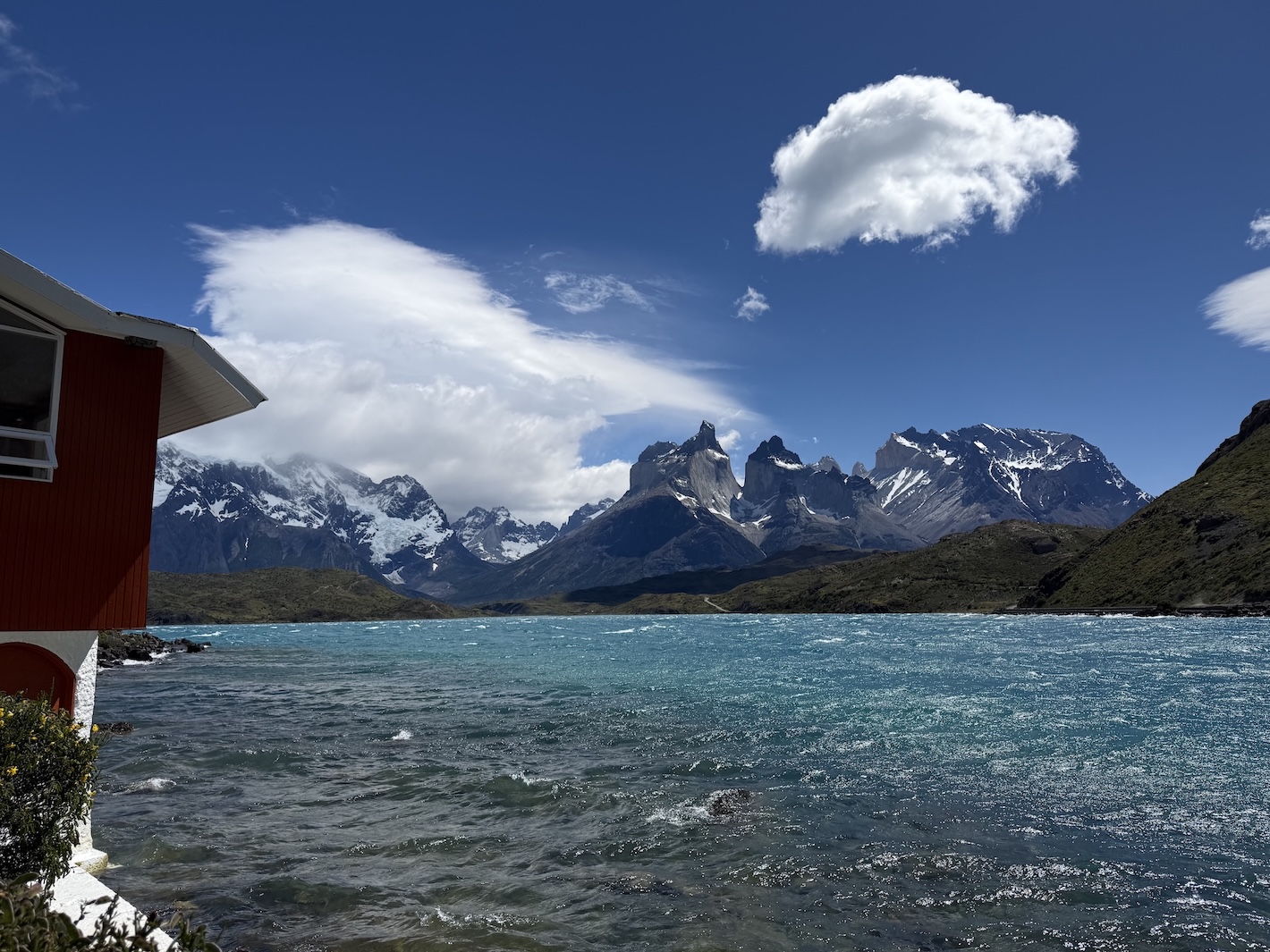
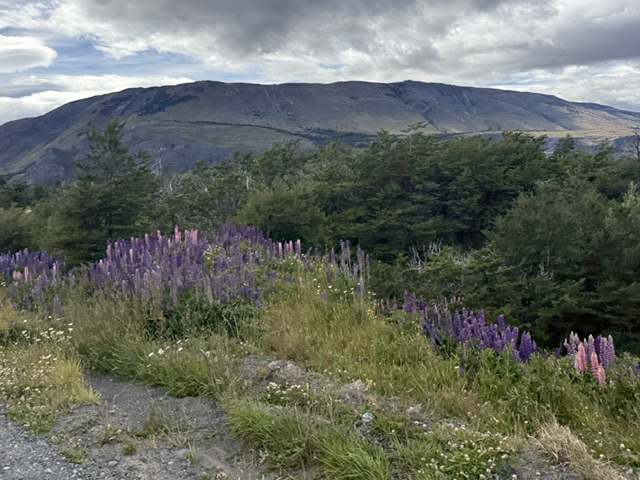
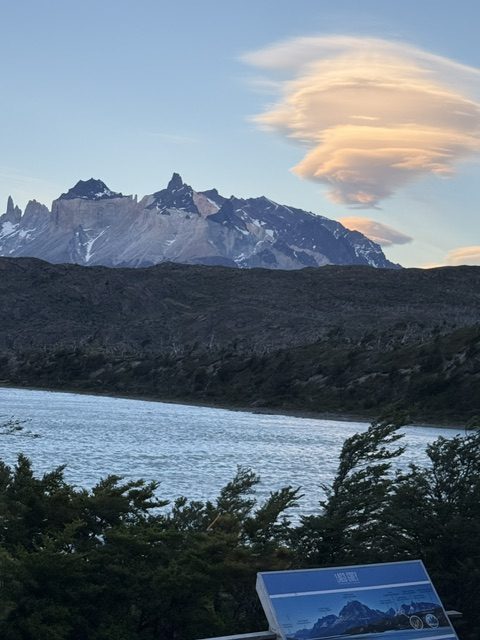
It was easy to cross the border in our rental car. We just had to get the right documents stamped for our departure and re-entry so that the car could be returned in Argentina. The drive and the excursions through the national park were spectacular; everything looked a bit like a photo wallpaper. We had to keep reminding ourselves that we were actually experiencing this right then. Our lodging, the Hotel Lago Grey, was the perfect base for exploring the national park.
Cheese Fondue at Lake Nahuel Huapi
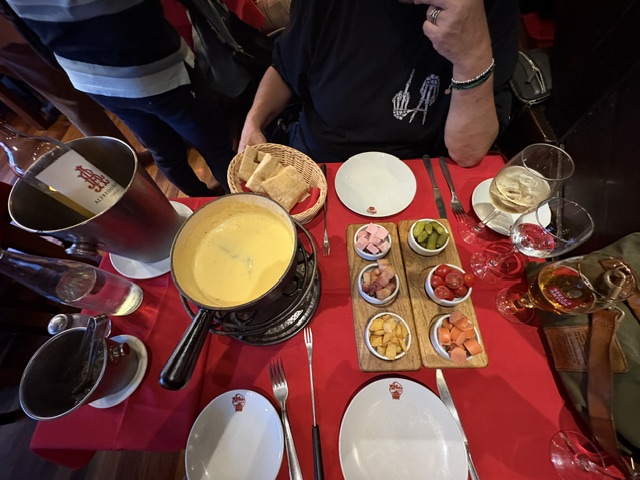
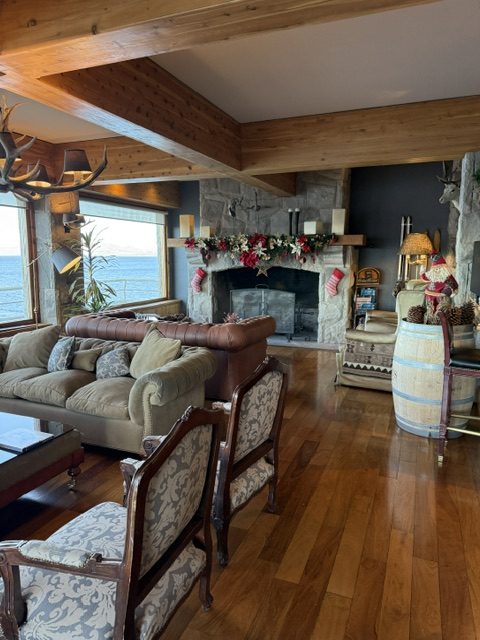
Back in El Calafate, we flew to Bariloche the next day. Bariloche is also situated on the shores of a huge glacial lake, Lake Nahuel Huapi, whose water reaches a maximum temperature of 6 degrees in midsummer. Our hotel bar was reminiscent of a Swiss ski lodge, complete with vintage cross-country skis and a mountain panorama. And the restaurants in town could just as easily have been in Graubünden, complete with cheese fondue.
That’s exactly what we ordered on New Year’s Eve, even though it felt a bit strange to be doing so in the middle of Argentina. In fact, the town’s history has a lot to do with Switzerland. After World War I, Swiss and German experts were brought in to build the railroad line, long before some Nazis later sought refuge there after World War II.
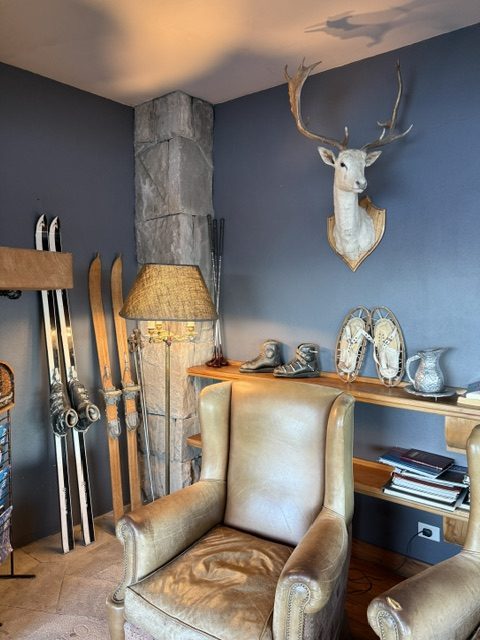
Besides us, many youth groups from all over Argentina were also celebrating the New Year in Bariloche. In the winter, they come for ski camps, and in the summer for outdoor sports—and, of course, to party. When we left at 6 a.m. on January 1, quite a few young people were just leaving the nightclub.
Wine and delicious food
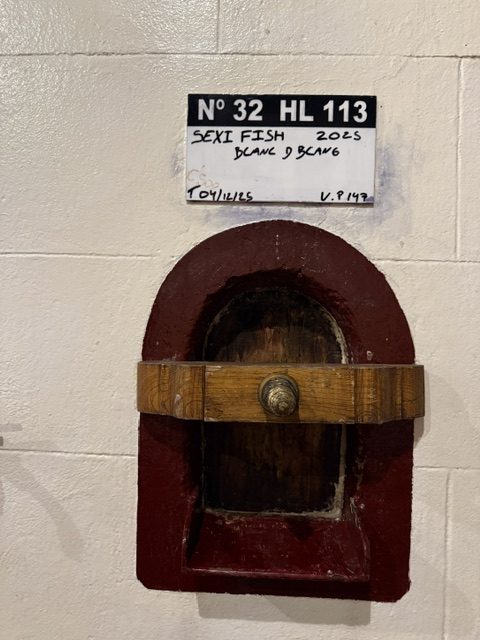
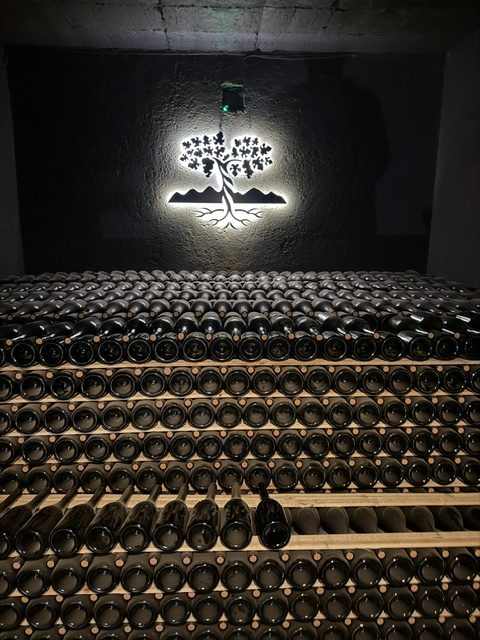
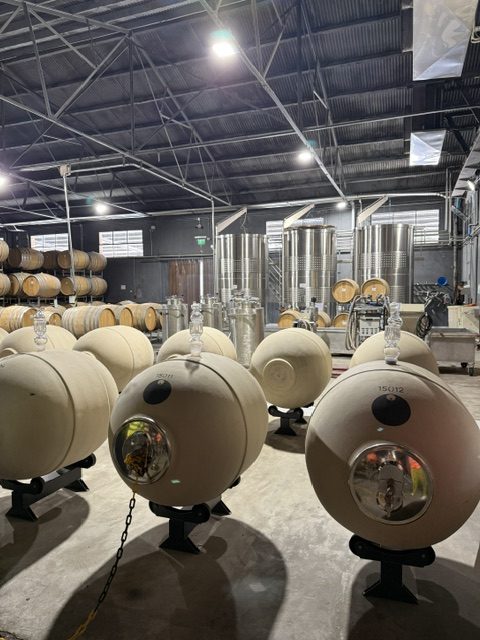
We continued on to Mendoza, known for its wine and the world’s highest vineyards at an elevation of 4,000 meters. The first thing you notice: Although the city is surrounded by desert, it is itself dotted with trees that are supplied with water via an ancient, open canal system. The same is true for the nearly 900 wineries, which are fed by glacial water. Water is a key factor for Mendoza’s future. There are now various research groups working to ensure the region’s water supply in the face of shrinking glaciers.
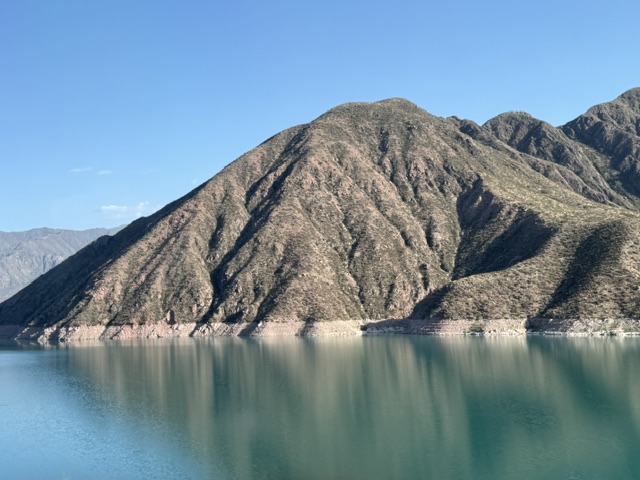
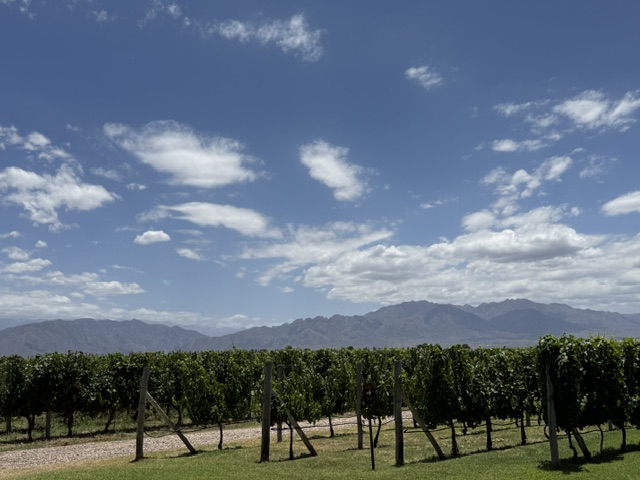
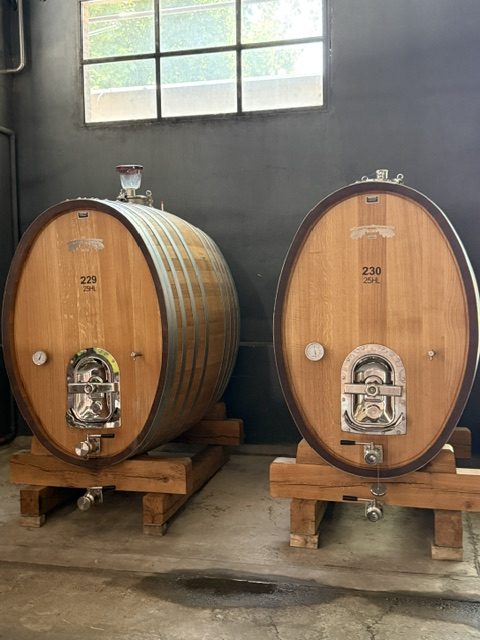
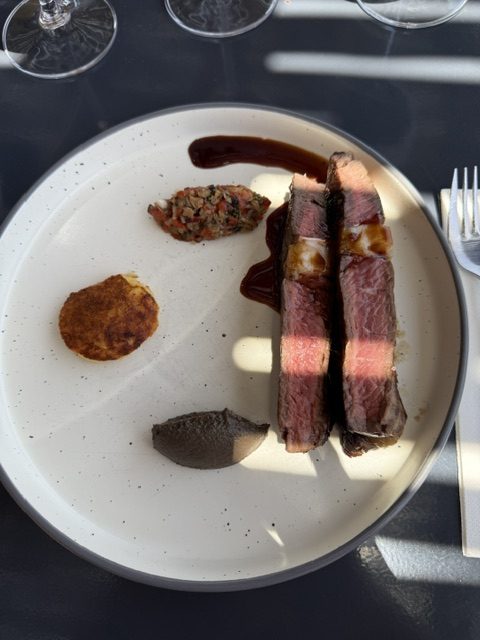
The wineries are all legendary and were mostly founded at the beginning of the last century. Today, they are owned by international companies such as LVMH, Swarovski, Swatch, and others. Guided tours of various wineries are an absolute must and are usually accompanied by a top-notch tasting menu. For wine lovers, the region—just like France, Italy, or California—is worth the trip in itself.
I have to admit, I’ve fallen head over heels in love with Argentina, and especially with Patagonia. So many experiences, so many impressions and inspirations. I can’t even say what I liked best. All the impressions are so lasting and impressive that they’ll remain fond memories for a very long time. Even though it’s a long and far journey, I can only recommend that everyone take it on.

CultureAndCream author
Chris Stricker lives in Berlin and Munich. Professionally, she deals with brand communication. She usually gets her inspiration from traveling. Since that is not possible at the moment, Chris is enthusiastically researching what’s new in the areas of fashion, beauty and design.