
To be honest, oils have never really been my thing. Too greasy, still on my skin when I want to get dressed. Nothing but preconceptions. I’ve since been proven wrong—at least when it comes to the body.
I find body oil particularly pleasant in fall and winter. It provides warmth and helps you feel good about your body. It’s obvious why you should use richer skincare products in cold temperatures. The constant change between cold air outside and warm, dry air inside means that your skin is even more grateful when it doesn’t lose moisture.
This is where oils come into play. Pure oils themselves are not moisturizing, as they do not contain water and are water-repellent (hydrophobic). However, they have moisture-binding properties, as they coat the skin and seal it, so to speak. This prevents the skin’s natural moisture from evaporating too quickly. In this respect, oils indirectly contribute to hydration by reducing moisture loss and strengthening the skin barrier. In any case, you should find out beforehand what type of oil to use and in what composition.
Using oils correctly
A skin care oil should always be massaged into damp skin. This allows the oil to penetrate more quickly and deeply. If, on the other hand, you apply oil to dry skin, a greasy film will form on the face or body areas that have been treated with it. This effect should be avoided.
Firming body care oil
I prefer to use A4’s Golden Body Oil after showering, on skin that is still damp and has only been patted dry with a towel. I put a small amount of the oil in my palms—less is more!—and massage it into my body using large, circular movements. The oil combines with the moisture and the skin’s own emulsifiers to form an emulsion that can penetrate deeper into the skin. In fact, our skin also protects itself with a hydrolipid film consisting of fats and water. This protective layer prevents the skin from losing too much moisture. A care oil, when used correctly, can support this process.
Golden Body Oil absorbs quickly and leaves a velvety, shiny finish. The highly concentrated oil makes the skin beautifully smooth and supple. No annoying oily film on the skin. It contains only high-quality oils such as sweet almond, jojoba, argan, and plukenetia oil, as well as antioxidant sunflower oil and plant extracts from green tea and Kigelia Africana, which tightens the skin and improves its elasticity.… weiterlesen
To travel during my profession as a beauty journalist was never enough for my. Also my six month on a world trip didn’t do it. It always attracts me to other cities, foreign countries, on roadtrips and places I don’t know yet. But I am not only interested in “culture” and “cream”, I am also fascinated by people who have stories to tell . Such unique experiences I want to share with you.
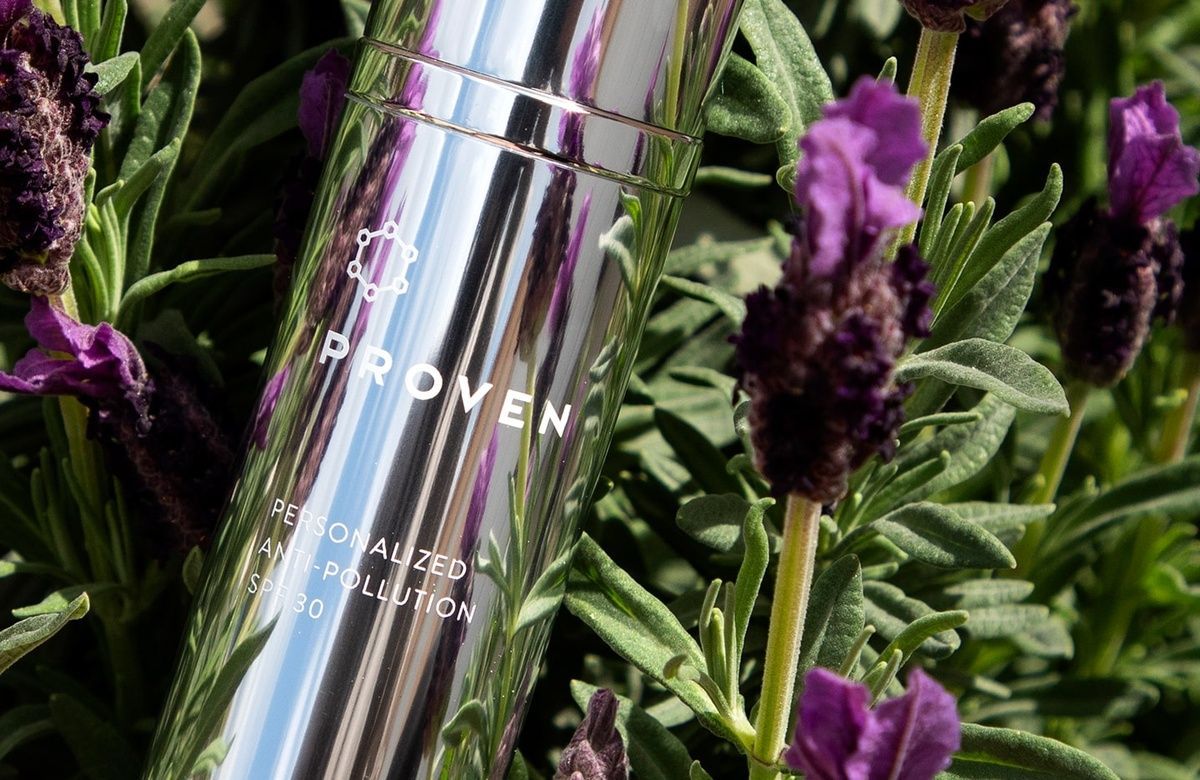
If you’re like most of us, your skin isn’t just one way all the time. Sometimes it’s oilier, sometimes it’s drier, and it likely also changes with the seasons. In addition, you might be increasingly curious or concerned about buying “clean” skincare and cosmetics, which adds another wrinkle to the product-selection process.
A quick note about natural products: they are not necessarily better than—or even any different from—the synthetic alternatives made in a lab. You also need to bear in mind that the term “natural” isn’t regulated. Any cosmetic company can make this claim, unfortunately, so it’s important to read labels and ingredient lists carefully (rule of thumb: natural products should not contain any artificial ingredients or fragrance.) “Natural is a classic marketing word,” says pharmacist and Truth Treatment Systems founder and formulator Benjamin Fuchs. “To a chemist, there’s no such thing as natural. The distinction the body makes is not between natural and synthetic; it just looks at the molecular structure. If I take vitamin C (from nature) or I create it in my lab, it’s the same molecule. I look at ingredients to see whether the body will recognize them.” That recognition is what translates to real results in your skin. To simplify your search, we’ve found ten of the most effective, scientifically tested, naturally occurring skincare ingredients. Many of these are also synthetically produced, which (as explained above), is just fine. Below, we’ve noted the natural origin of each ingredient, along with how and why it’s effective in skincare.
Top 10 proven-to-work natural skincare ingredients:
Hyaluronic acid
It is a substance that occurs naturally in our bodies, and it’s effective because it holds a thousand times its weight in water. This not only helps skin retain moisture, but also prevents that moisture from evaporating into the air. It’s one of the best moisturizing agents available for both oily and dry skin types. A hyaluronic acid serum is a great addition to many skincare routines, especially during the summer-to-fall and winter months, when plummeting temperatures and humidity levels (not to mention indoor heating) can really dehydrate your skin.
Alpha-Hydroxy Acids (AHAs)n (AHAs)
Glycolic acid and lactic acid are both members of the AHA family. Glycolic acid is derived from sugar cane, while lactic acid is derived from milk. The acids allow dead skin cells to slough off, revealing newer skin beneath. They also act as humectants, meaning they draw water from the environment into your skin.… weiterlesen
To travel during my profession as a beauty journalist was never enough for my. Also my six month on a world trip didn’t do it. It always attracts me to other cities, foreign countries, on roadtrips and places I don’t know yet. But I am not only interested in “culture” and “cream”, I am also fascinated by people who have stories to tell . Such unique experiences I want to share with you.
We use cookies to optimize our website and our service.
Functional
Always active
The technical storage or access is strictly necessary for the legitimate purpose of enabling the use of a specific service explicitly requested by the subscriber or user, or for the sole purpose of carrying out the transmission of a communication over an electronic communications network.
Vorlieben
The technical storage or access is necessary for the legitimate purpose of storing preferences that are not requested by the subscriber or user.
Statistics
The technical storage or access that is used exclusively for statistical purposes.The technical storage or access that is used exclusively for anonymous statistical purposes. Without a subpoena, voluntary compliance on the part of your Internet Service Provider, or additional records from a third party, information stored or retrieved for this purpose alone cannot usually be used to identify you.
Marketing
The technical storage or access is required to create user profiles to send advertising, or to track the user on a website or across several websites for similar marketing purposes.